Level Switch
A level switch is a device used to detect specific liquid levels (point level) and trigger an action such as an alarm, pump control, or valve operation. Unlike continuous level measurement (e.g., hydrostatic transmitters), a level switch provides ON/OFF signals at predefined points like high level, low level, or overflow protection.
Filter by Category
- Hydrostatic / Pressure-Based
- Level Switch
- Ultrasonic Level Measurement
- Acoustic Wave Level Sensor
- Radar Level Measurement
- Guided Wave Radar
- Laser Level Measurement
- Specialized Systems
Ex-stock Products
Recent News & Events

Measurement Technologies Corporation to exhibit at ProPak Philippines 2026 - Metro Manila, Philippines
October 24, 2025
We look forward to seeing you again at Propak 2026 where we hope to showcase some of our new products!
Product Collection
Level Switch
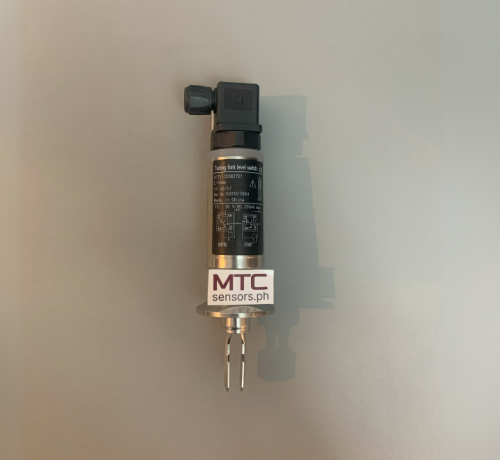
A tuning fork level switch is a type of point level sensor that uses the principle of vibration to detect the level of a substance, typically liquids or solids.
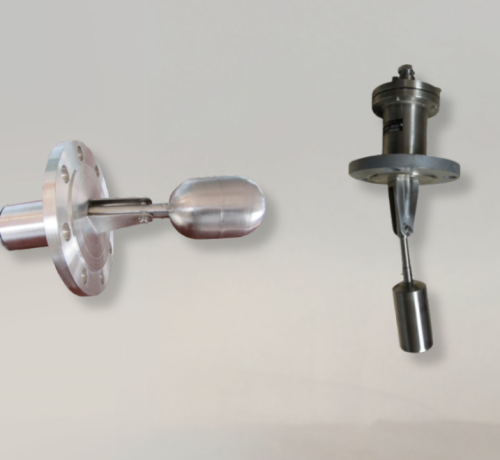
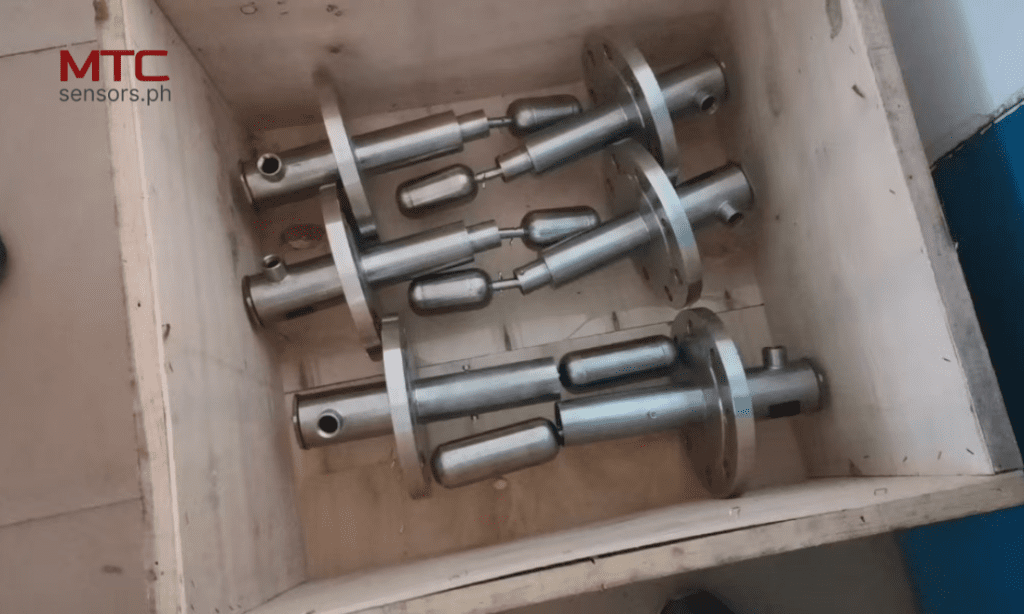
The Magnetic Float Switch device is used to detect and control the level of liquids in tanks, vessels, and pipelines.
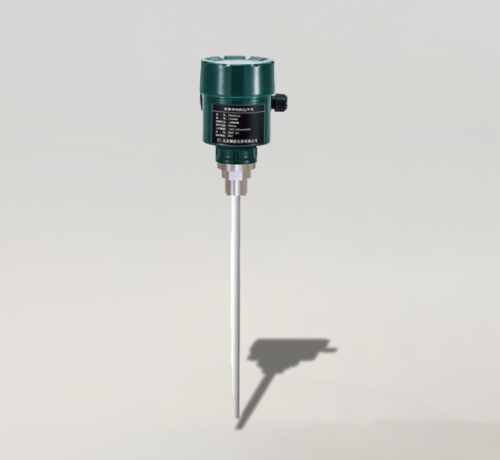
Capacitive and RF admittance level measurement technologies are widely used for point level detection and continuous level measurement in liquids, slurries, and more.
What is a Level Switch?
A level switch is a point-level device that activates when liquid reaches a certain height. It is widely used for:
- Tank overfill protection
- Pump dry-run protection
- High/low level alarms
- Automatic filling and draining systems
How Level Switches Work
Level switches operate using different physical principles depending on the type. They detect changes in:
- Liquid presence
- Density
- Conductivity
- Vibration or capacitance
Once the set level is reached, the switch changes state (NO/NC), sending a signal to a control system.
Common Applications
Level switches are widely used in:
- Water and wastewater systems
- Chemical tanks (e.g., PAC dosing systems)
- Oil and fuel storage
- Food & beverage processing
- HVAC and cooling towers
Advantages of Level Switches
- Simple and cost-effective
- Reliable for point-level detection
- Easy integration with alarms and PLC systems
- Low maintenance (depending on type)
| Feature | Level Switch | Level Transmitter |
|---|---|---|
| Measurement Type | Point level (ON/OFF) | Continuous (analog signal) |
| Output | Digital (NO/NC) | 4–20 mA / Modbus |
| Use Case | Alarms, control | Monitoring, automation |
| Cost | Lower | Higher |
How to Select the Right Level Switch
Consider the following:
- Liquid type (water, oil, chemicals like PAC)
- Conductivity (important for conductive switches)
- Temperature & pressure
- Tank type (open or closed)
- Mounting (top, side, vertical)
- Output type (relay, PNP/NPN, etc.)
- Hazardous area requirements (if applicable)
Installation Tips
- Place at critical control points (high/low levels)
- Avoid turbulence or direct inflow areas
- Ensure proper sealing for chemical applications
- Regularly inspect for buildup or fouling
Level Switch are ideal for industrial applications requiring long-range, high-precision, and fast level measurement. They outperform ultrasonic or radar sensors in dusty or extreme environments, ensuring reliable performance with minimal maintenance.
Need assistance choosing the right level transmitter? Contact us today for expert recommendations and fast delivery!