
Guided Radar Level Measurement
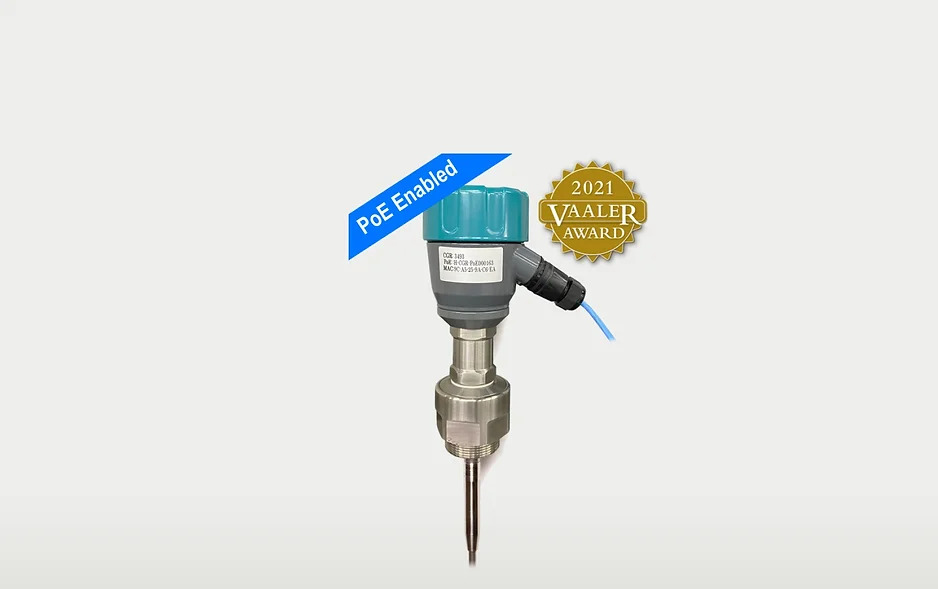
Guided Wave Radar Level Transmitters offer advanced dual interface capabilities and come with integrated digital displays, providing a measuring range of up to 38 meters (124 feet).
Filter by Category
Ex-stock Products
Recent News & Events
Measurement Technologies Corporation to exhibit at ProPak Philippines 2026 - Metro Manila, Philippines
October 24, 2025
We look forward to seeing you again at Propak 2026 where we hope to showcase some of our new products!
Product Collection
Radar Level Transmitters
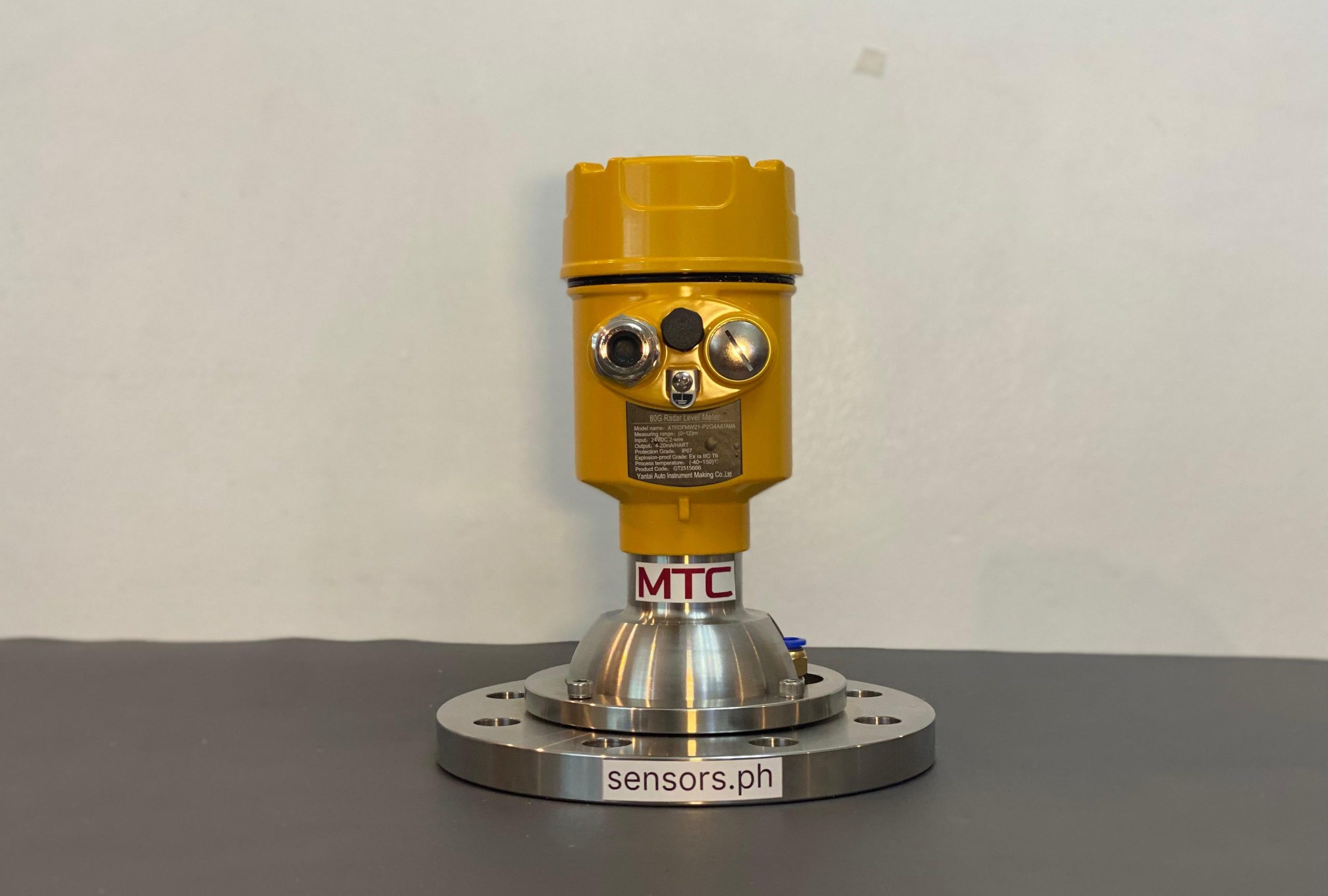
Radar Level Meter
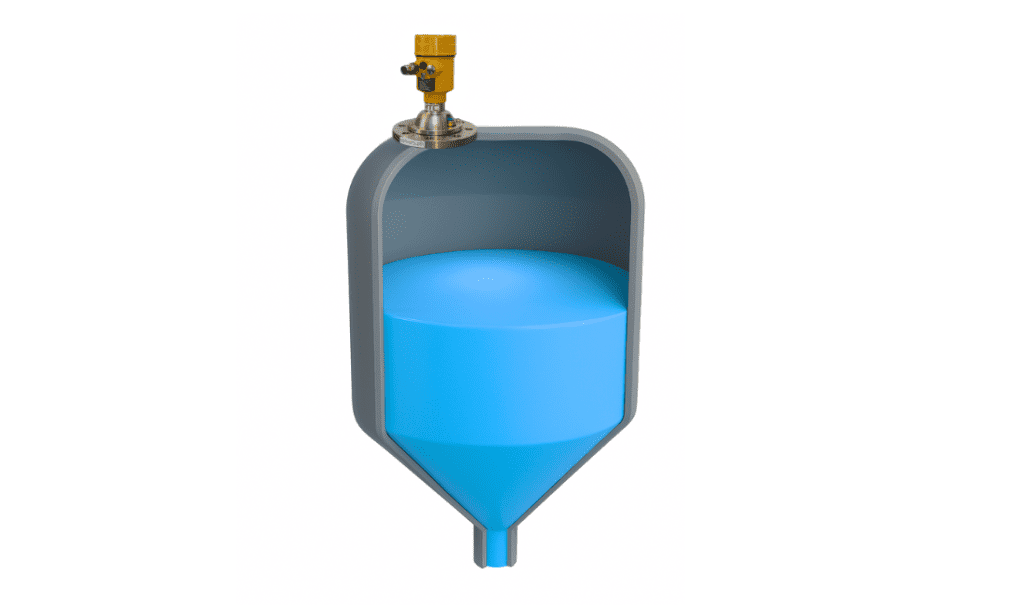
Non-contact radar, also known as a radar level meter, measures level by emitting microwave signals (e.g., 26GHz, 80GHz) from the top of the tank. These signals reflect off the surface of the material, and the instrument calculates the distance based on the return time.
Key Characteristics
- Non-contact measurement (antenna does not touch the product)
- Uses microwave radar waves
- Narrow beam angle (especially 80GHz)
- Works well in harsh environments
- Very low maintenance
Best Applications
- High tanks or silos
- Solids (cement, grain, powder)
- Liquids with vapor or steam
- Corrosive or sticky liquids
- Pressurized or high-temperature tanks
Guided Wave Radar Transmitters
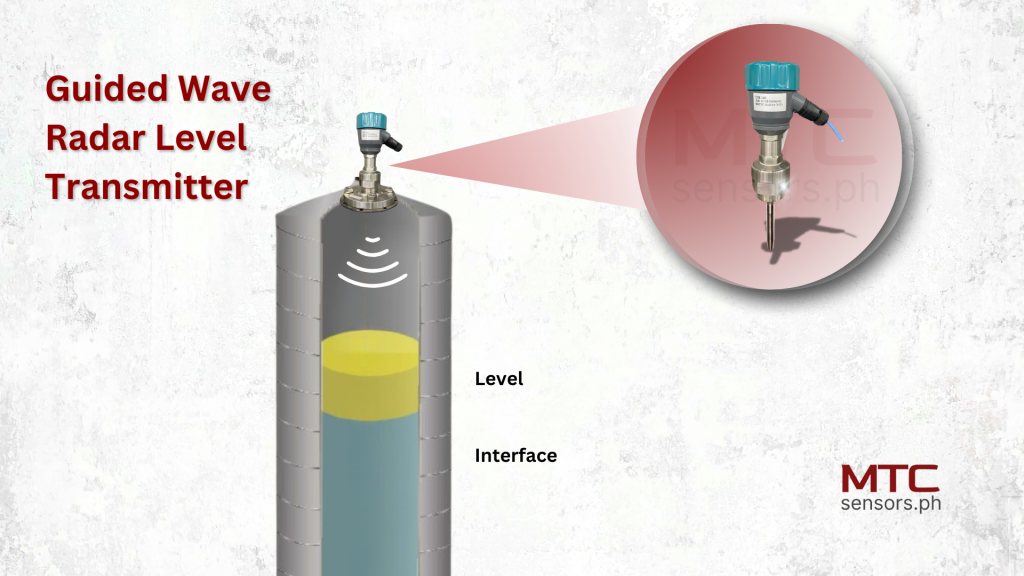
A Guided Radar Level Transmitter uses a probe or rod/cable that extends inside the tank. Radar pulses travel down the probe and reflect when they hit the material surface. This technology is also called Time Domain Reflectometry (TDR).
Key Characteristics
- Contact-type technology (probe touches the product)
- Uses guided microwave pulses
- Very stable in narrow or small tanks
- Unaffected by foam, vapor, and turbulence
- Works well with liquids with low dielectric constant
Best Applications
- Small tanks and vessels
- Storage tanks with agitators or internal obstructions
- Interface measurement (oil-water separation)
- Viscous or sticky liquids where non-contact radar may struggle
- Applications requiring extremely stable readings in small volumes
Radar Level Meter vs. Guided Radar Level Transmitter
| Feature | Radar Level Meter (Non-Contact) | Guided Radar Level Transmitter (TDR) |
|---|---|---|
| Contact with Medium | No contact | Probe is in contact with medium |
| Technology | Microwave radar (26/80GHz) | Guided radar pulses (TDR) |
| Best For | Tall tanks, harsh environments, solids | Small tanks, interface measurement |
| Sensitivity to Conditions | Unaffected by dust/steam (80GHz) | Unaffected by foam/vapor |
| Installation Space | Needs free space above material | Ideal for narrow tanks |
| Maintenance | Very low | Requires cleaning on sticky media |
| Dielectric Requirement | Medium-to-high dielectric | Works well even with low dielectric liquids |
| Cost | Higher for 80GHz models | Often more affordable |
| Solids Measurement | Excellent (especially 80GHz) | Limited to some models |
Unlike non-contact radar sensors, guided radar (also known as Time Domain Reflectometry or TDR technology) uses a probe (waveguide) to direct radar pulses down to the material surface, ensuring accurate and stable readings even in challenging process conditions.
Need assistance choosing the right Guided Radar Level Sensors? Contact us today for expert recommendations and fast delivery!
Other Products

HawkUltra One Ultrasonic Level Transmitter
Overview Features & Benefits Applications Specifications Overview The HawkUltra One
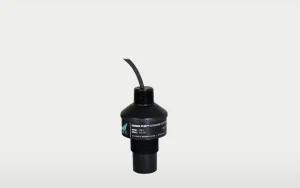
HawkUltra Plus Ultrasonic Level Transmitter
Overview Features & Benefits Applications Specifications Overview The HawkUltra Plus
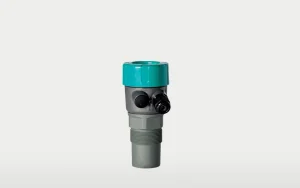
MiniWave Ultrasonic Level Transmitter
Overview Features & Benefits Applications Specifications Overview The MiniWave is
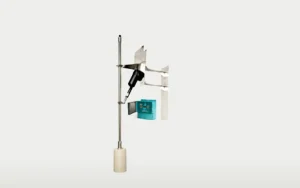
ORCA Bed Level System
Overview Features & Benefits Applications Specifications Overview The ORCA Sonar
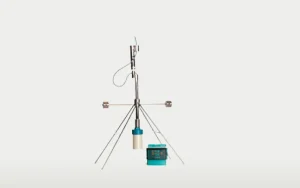
Sultan Sonar System
Overview Features & Benefits Applications Specifications Overview The HAWK Sultan


