Hydrostatic / Pressure-Based Level Measurement
Hydrostatic (Pressure-Based) Level Measurement is a simple and widely used method for measuring liquid level by sensing the pressure created by the liquid column above a sensor.
Filter by Category
- Hydrostatic / Pressure-Based
- Level Switch
- Ultrasonic Level Measurement
- Acoustic Wave Level Sensor
- Radar Level Measurement
- Guided Wave Radar
- Laser Level Measurement
- Specialized Systems
Ex-stock Products
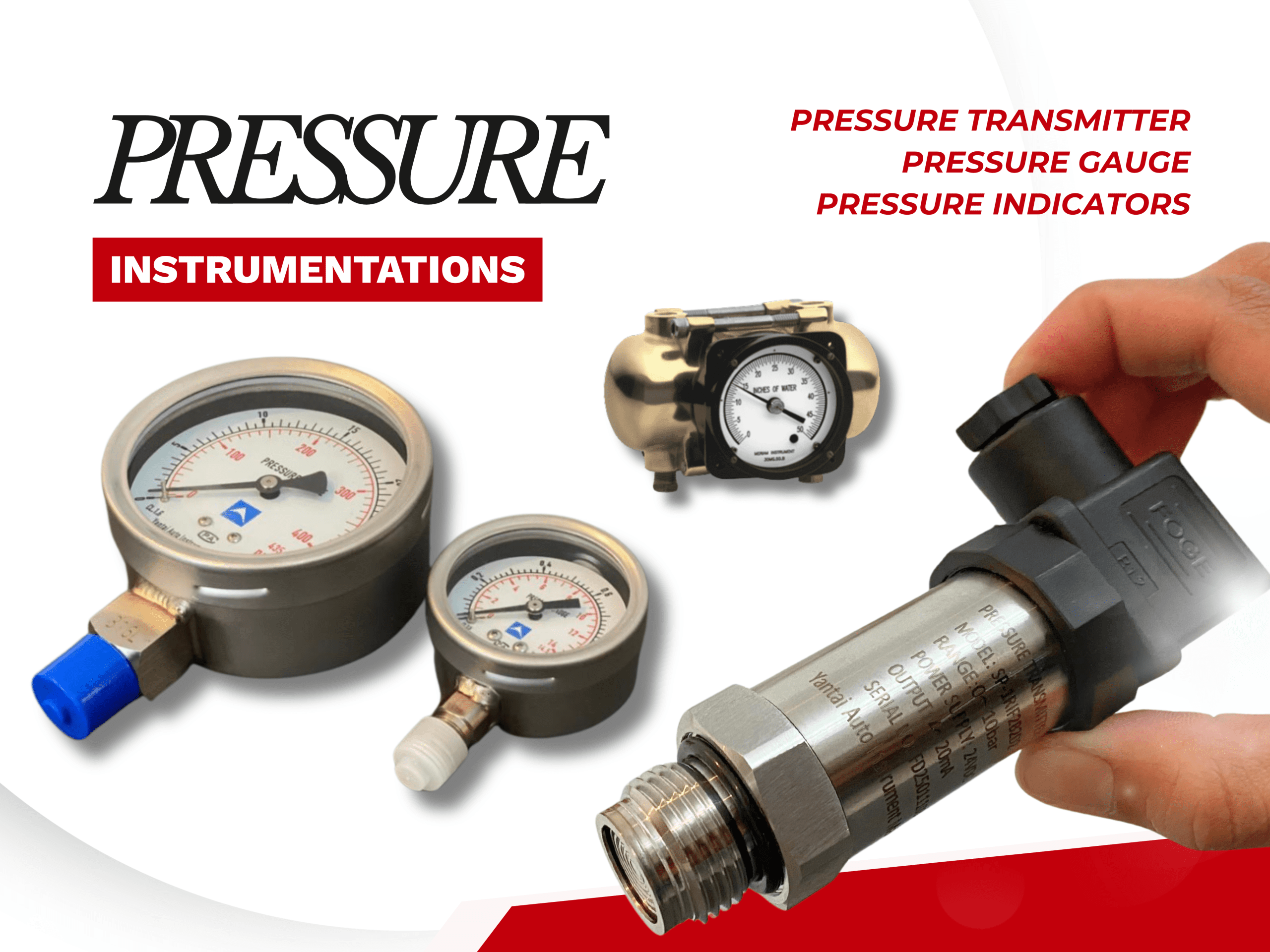
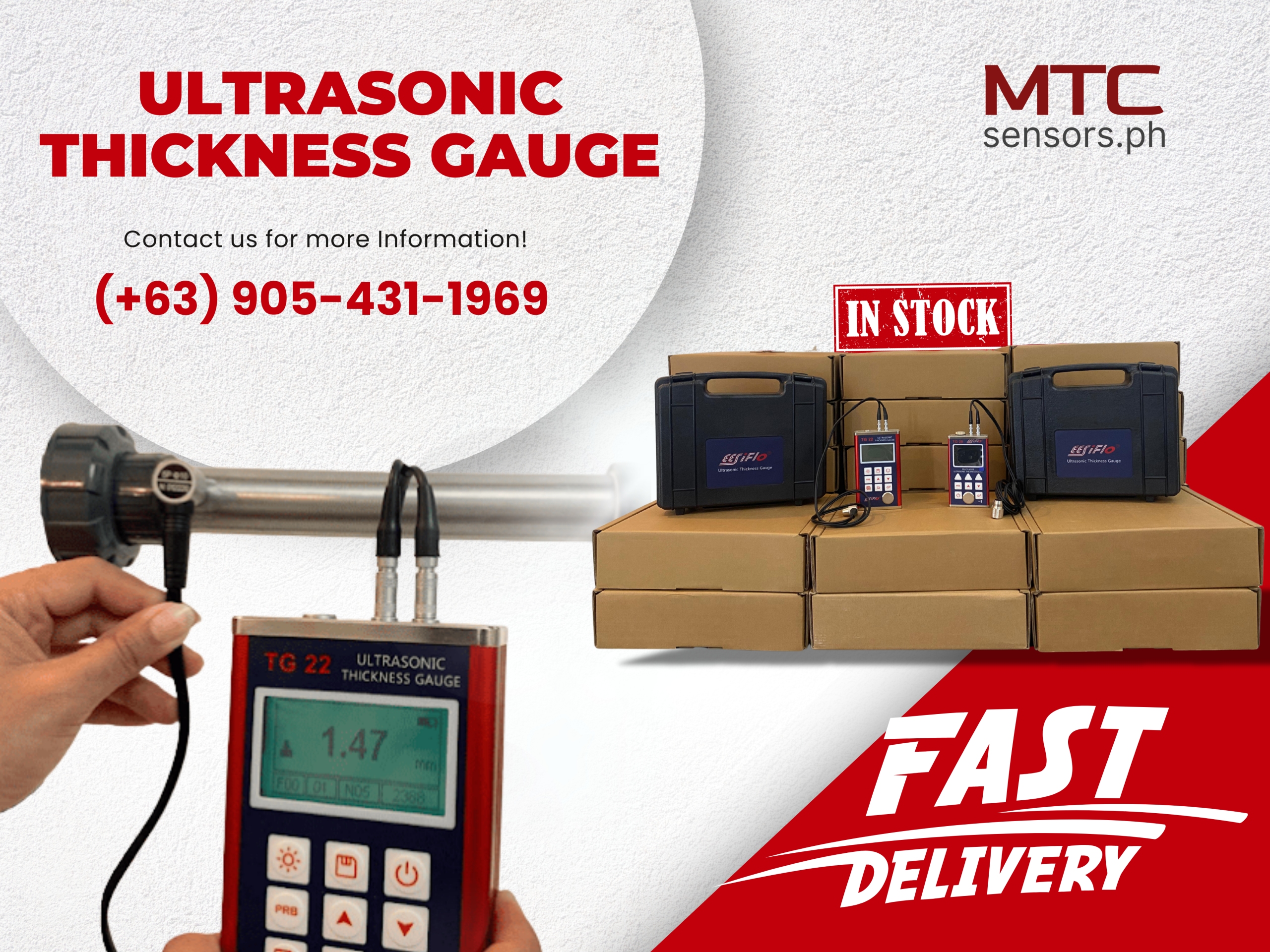
Recent News & Events
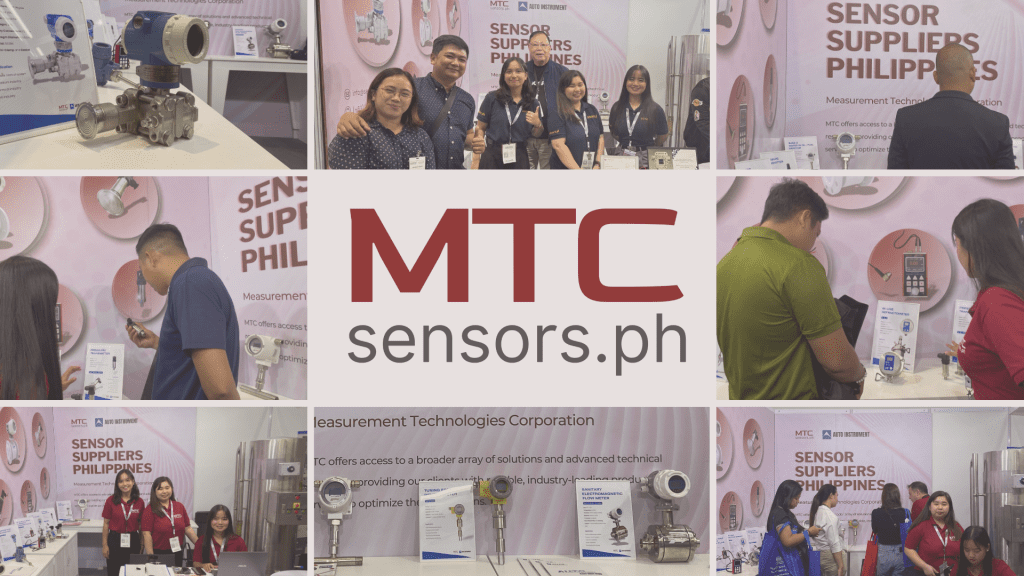
Measurement Technologies Corporation to exhibit at ProPak Philippines 2026 - Metro Manila, Philippines
October 24, 2025
We look forward to seeing you again at Propak 2026 where we hope to showcase some of our new products!
Product Collection
Hydrostatic (Pressure-Based) Level Measurement
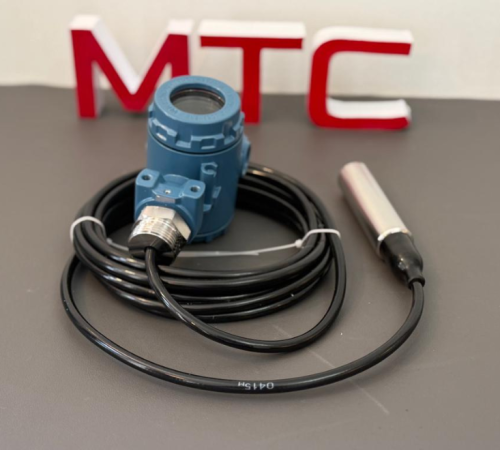
High-performance instruments engineered for accurate and reliable measurement of pressure and level in industrial processes.
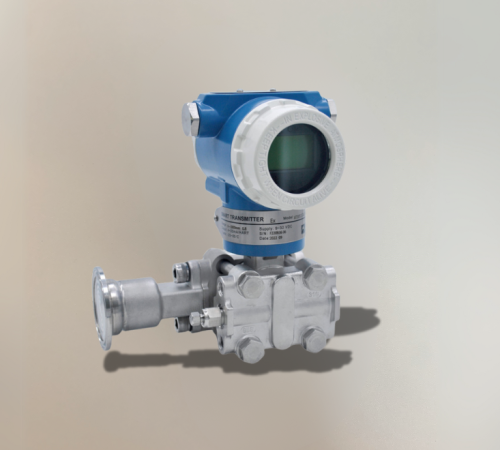
Flange level transmitter is used to measure level and density of liquids with solid and sediment,then convert into 4-20 mA
What is Hydrostatic Level Measurement?
Hydrostatic level measurement uses the principle of Hydrostatic Pressure, where the pressure at the bottom of a tank is directly proportional to the height of the liquid above it.
This method is widely used in industries such as water treatment, chemical processing, food & beverage, and oil & gas.
How Hydrostatic Level Measurement Works
A pressure sensor installed at or near the bottom of a tank measures the force exerted by the liquid. This pressure is then converted into a level signal.
Core Equation:
P=ρghP = \rho g hP=ρgh
- P = Pressure (Pa or bar)
- ρ (rho) = Liquid density (kg/m³)
- g = Gravity (9.81 m/s²)
- h = Liquid height (m)
Types of Hydrostatic Level Measurement Devices
1. Submersible Level Transmitters
- Installed directly inside the liquid
- Ideal for wells, boreholes, and open tanks
- Common output: 4–20 mA
2. Differential Pressure (DP) Transmitters
- Used in closed or pressurized tanks
- Measures pressure difference between bottom and top
3. Bottom-Mounted Pressure Transmitters
- Installed externally at tank base
- Suitable for open tanks
Applications Across Industries
Hydrostatic level measurement is used in:
- Water and wastewater treatment plants
- Chemical storage tanks (e.g., PAC – Polyaluminum Chloride)
- Fuel and oil storage
- Food and beverage processing
- Pharmaceutical manufacturing
- Marine ballast systems
Advantages of Hydrostatic Level Measurement
- Simple and proven technology
- Cost-effective compared to radar or ultrasonic
- Continuous and accurate output (e.g., 4–20 mA, Modbus)
- Works in harsh environments (with proper material selection)
Limitations and Challenges
- Sensitive to changes in liquid density (temperature, composition)
- Not ideal for foaming or highly viscous liquids
- Requires proper venting (for submersible sensors)
- Calibration needed for accurate results
Key Selection Criteria
When choosing a hydrostatic level transmitter, consider:
- Measurement range (e.g., 0–5 meters)
- Output signal (4–20 mA, HART, Modbus)
- Accuracy requirements
- Process temperature and pressure
- Chemical compatibility (sensor wetted parts)
- Installation type (submersible vs external)
Installation Best Practices
- Mount sensor at the lowest measurable point
- Avoid areas with turbulence or inflow
- Use stilling wells for stable readings
- Ensure proper cable venting (for submersible types)
- Regularly calibrate for accuracy
Hydrostatic vs Other Level Measurement Methods
| Method | Best For | Limitation |
|---|---|---|
| Hydrostatic | Liquids, stable density | Density-dependent |
| Ultrasonic | Non-contact measurement | Affected by vapor/foam |
| Radar | High accuracy, harsh media | Higher cost |
| Float-based | Simple systems | Mechanical wear |
Hydrostatic (Pressure-Based) Level Measurement are ideal for industrial applications requiring long-range, high-precision, and fast level measurement. They outperform ultrasonic or radar sensors in dusty or extreme environments, ensuring reliable performance with minimal maintenance.
Need assistance choosing the right level transmitter? Contact us today for expert recommendations and fast delivery!