Hardness Testing Instruments
In the Philippines, hardness testers are widely used across industries such as manufacturing, construction, metal fabrication, automotive, and quality control to ensure materials meet required standards and performance specifications.
Filter by Category
Ex-stock Products
Recent News & Events
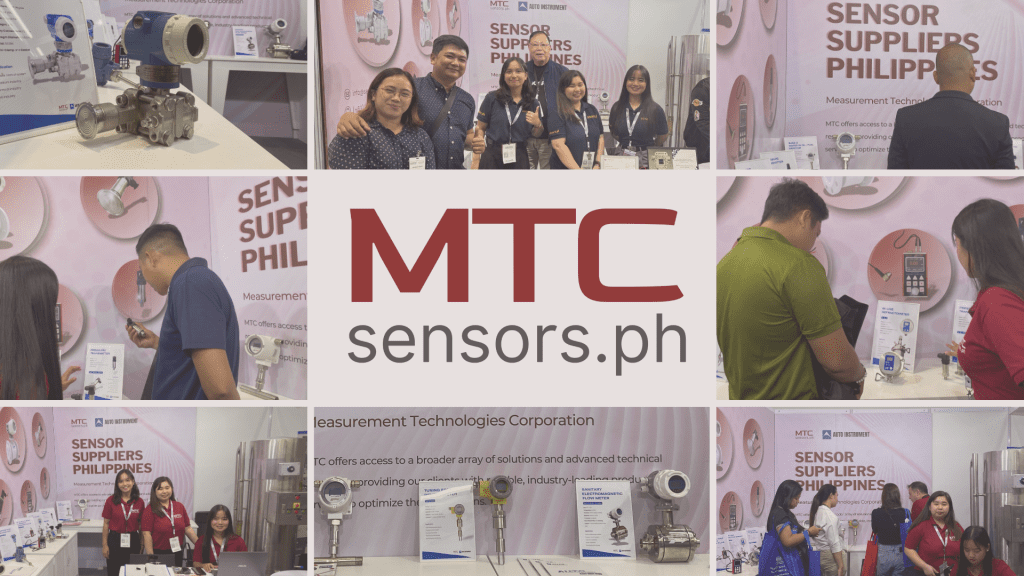
Measurement Technologies Corporation to exhibit at ProPak Philippines 2026 - Metro Manila, Philippines
October 24, 2025
We look forward to seeing you again at Propak 2026 where we hope to showcase some of our new products!
Product Collection
Hardness Testing Instruments
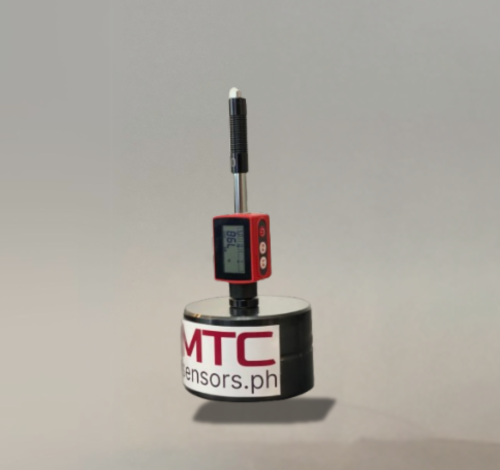
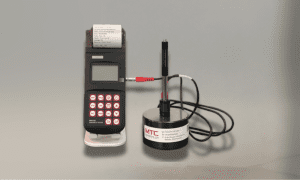
MH100 series pocket hardness meters, also known as pen-type hardness tester, based on Leeb hardness measuring principle, quick and easy on-site test the hardness of series metal materials.
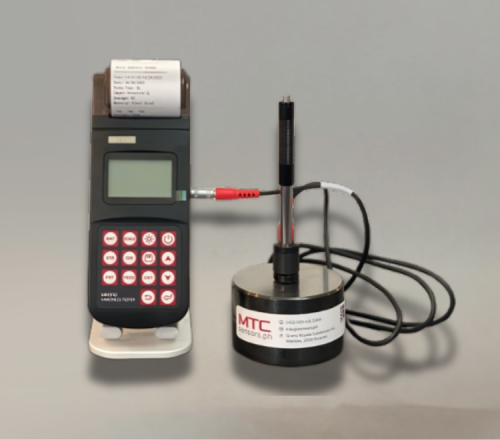
It uses high-contrast segment LCD to display clear ,stable performance. integrated high-speed thermal printer ,which can print on-site measurements.
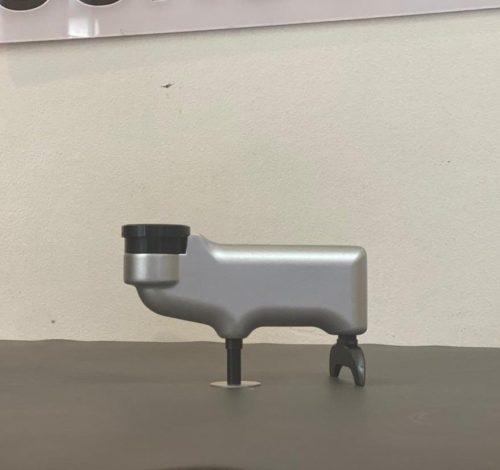
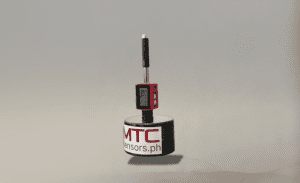
This portable device is known for its ease of use and reliability in providing quick hardness readings for soft metals such as aluminum and its alloys, brass, copper, and some of the harder plastics and fiber glass.
Accurate Hardness Testing Solutions in the Philippines
Hardness testing is a critical process used to determine a material’s resistance to deformation, wear, and indentation. In the Philippines, hardness testers are widely used across industries such as manufacturing, construction, metal fabrication, automotive, and quality control to ensure materials meet required standards and performance specifications.
Modern hardness testers provide fast, reliable, and often non-destructive or minimally invasive testing, making them ideal for both laboratory and on-site applications. These instruments help detect material inconsistencies, verify heat treatment, and ensure structural integrity in various industrial environments.
Applications of Hardness Testing
Hardness testers are commonly used in:
- Metal fabrication and machining industries
- Heat treatment verification
- Welding inspection and quality assurance
- Automotive and aerospace components
- Pipes, pressure vessels, and structural materials
- Plastics, rubber, and composite materials
These applications are essential for maintaining product quality, safety, and compliance with industry standards.
Types of Hardness Testers
Portable Hardness Testers
Portable hardness testers are designed for on-site and field measurements, especially for large or heavy components. They are lightweight, easy to use, and capable of measuring multiple hardness scales such as Rockwell, Brinell, and Vickers. These devices are ideal for pipelines, heavy machinery, and structural inspection.
Rockwell Hardness Testers
Rockwell testers measure hardness based on the depth of penetration of an indenter under a specific load. They are widely used in industrial environments for fast and direct readings.
Brinell Hardness Testers
Brinell testers use a larger indenter and are suitable for testing materials with coarse or uneven surfaces, such as castings and forgings.
Vickers Hardness Testers
Vickers testers provide highly precise measurements and are commonly used for thin materials, coatings, and microhardness testing.
Leeb & Ultrasonic Hardness Testers
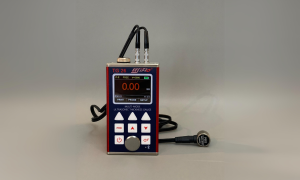
Leeb (rebound) and ultrasonic (UCI) hardness testers are advanced portable solutions used for quick, non-destructive testing of metals and alloys. They can measure multiple hardness scales and are ideal for field inspections.
Key Features of Modern Hardness Testers
- Multi-scale measurement (HRC, HRB, HB, HV, etc.)
- Portable and handheld options for field use
- Digital display with data storage and USB connectivity
- High accuracy and repeatability
- Fast measurement with minimal surface damage
Many portable hardness testers can automatically convert between hardness scales, improving efficiency and usability in industrial applications.
Hardness Tester Solutions in the Philippines
In the Philippines, businesses can access a wide range of hardness testing solutions, including:
- Supply of portable and bench-type hardness testers
- On-site hardness testing services
- Calibration and certification
- Technical consultation and after-sales support
These solutions help ensure accurate measurement, compliance with international standards, and long-term equipment reliability.
Why Use a Hardness Tester?
Using a hardness tester provides several advantages:
- Ensures material quality and consistency
- Verifies heat treatment processes
- Detects material defects and inconsistencies
- Reduces risk of failure and downtime
- Supports compliance with industry standards
Your Trusted Hardness Testing Partner in the Philippines
Whether you need a portable hardness tester for field inspections or a laboratory-grade system for precise measurements, choosing the right equipment is essential. Reliable suppliers in the Philippines offer high-quality hardness testers backed by technical expertise and local support.
Get a Quote Today
Need assistance choosing the right level transmitter? Contact us today for expert recommendations and fast delivery!