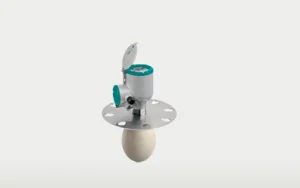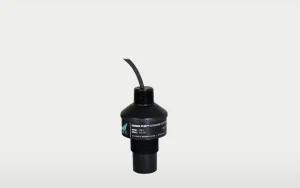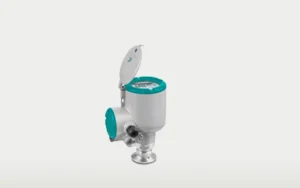
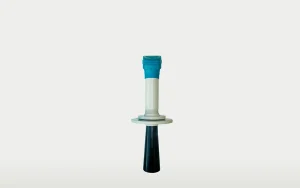
Radar Level Measurement
(Non-contact FMCW Radar)
FMCW (Frequency Modulated Continuous Wave) radar is a non-contact level measurement method that continuously emits a microwave signal whose frequency changes over time. It measures the level by analyzing the frequency difference between the transmitted and reflected signals.
Filter by Category
Ex-stock Products
Recent News & Events
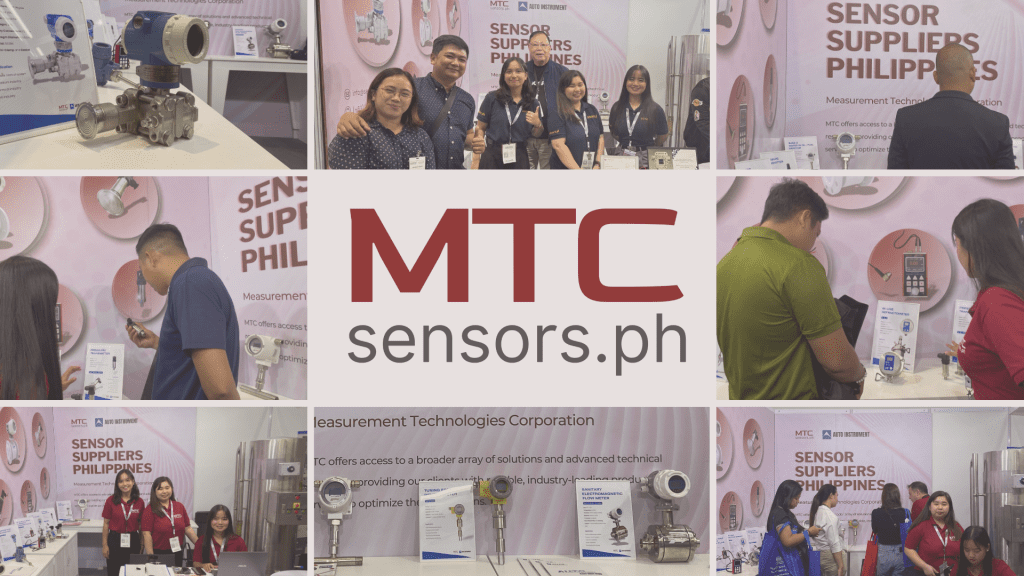
Measurement Technologies Corporation to exhibit at ProPak Philippines 2026 - Metro Manila, Philippines
October 24, 2025
We look forward to seeing you again at Propak 2026 where we hope to showcase some of our new products!
Radar Level Measurement (Non-contact FMCW Radar)
What is FMCW Radar Level Measurement?
FMCW (Frequency Modulated Continuous Wave) radar is a non-contact level measurement method that continuously emits a microwave signal whose frequency changes over time. It measures the level by analyzing the frequency difference between the transmitted and reflected signals.
How It Works
- The radar sensor emits a continuously varying microwave signal toward the material surface.
- The signal reflects off the surface of the liquid or solid.
- The reflected signal returns to the sensor with a slight frequency shift.
- The device calculates the distance based on this frequency difference.
- Level is determined from the known tank height minus the measured distance.
Key Features
- Non-contact measurement – no direct contact with the medium
- High accuracy – typically ±1–2 mm
- Not affected by temperature, pressure, or vapor
- Works in harsh environments – dust, foam, turbulence
- Long measurement range – up to 100 meters or more
- Minimal maintenance
Typical Applications
- Chemical storage tanks
- Water & wastewater treatment
- Food & beverage processing
- Cement and bulk solids silos
- Oil & fuel storage tanks
Advantages vs Other Technologies
| Technology | Advantage of FMCW Radar |
|---|---|
| Ultrasonic | Not affected by temperature, pressure, or gas composition |
| Float-type | No moving parts, less maintenance |
| Capacitive | Works with varying dielectric constants |
| Hydrostatic | No need for contact with liquid |
Limitations
- Higher initial cost compared to ultrasonic
- Requires proper installation (alignment, nozzle consideration)
- Build-up on antenna (in extreme cases) can affect performance
FMCW vs Pulse Radar
| Feature | FMCW Radar | Pulse Radar |
|---|---|---|
| Signal Type | Continuous | Pulsed |
| Accuracy | Very high | Moderate |
| Resolution | Excellent | Good |
| Best for | High precision & complex conditions | General applications |
When to Use FMCW Radar
Choose FMCW radar if you need:
- High precision level measurement
- Stability in harsh or changing conditions
- Measurement in tall tanks or silos
- Non-contact solution for corrosive or hazardous media
Radar Level Measurement (Non-contact FMCW Radar) are ideal for industrial applications requiring long-range, high-precision, and fast level measurement. They outperform ultrasonic or radar sensors in dusty or extreme environments, ensuring reliable performance with minimal maintenance.
Need assistance choosing the right level transmitter? Contact us today for expert recommendations and fast delivery!