

Handheld Gas Detectors in the Philippines
Gas hazards can occur in many industrial and commercial workplaces. Leaks, oxygen deficiency, toxic gases, and combustible atmospheres may not always be visible or detectable by smell. For this reason, gas monitoring equipment can be an important part of workplace safety and industrial operations.
For companies in the Philippines, handheld gas detectors provide a portable way to check atmospheric conditions in areas where hazardous gases may be present. Depending on the application, users can choose from single-gas detectors for monitoring one specific gas or multi-gas detectors capable of monitoring several gases at the same time.
The Occupational Safety and Health Center (OSHC) identifies gases including hydrogen sulfide (H₂S), carbon monoxide (CO), carbon dioxide (CO₂), oxygen (O₂), combustible gases measured as LEL, sulfur dioxide (SO₂), nitrogen dioxide (NO₂), VOCs, and ammonia among gases that may be evaluated in workplace environments.
What Is a Handheld Gas Detector?
A handheld gas detector is a portable instrument designed to detect and monitor specific gases in the surrounding atmosphere.
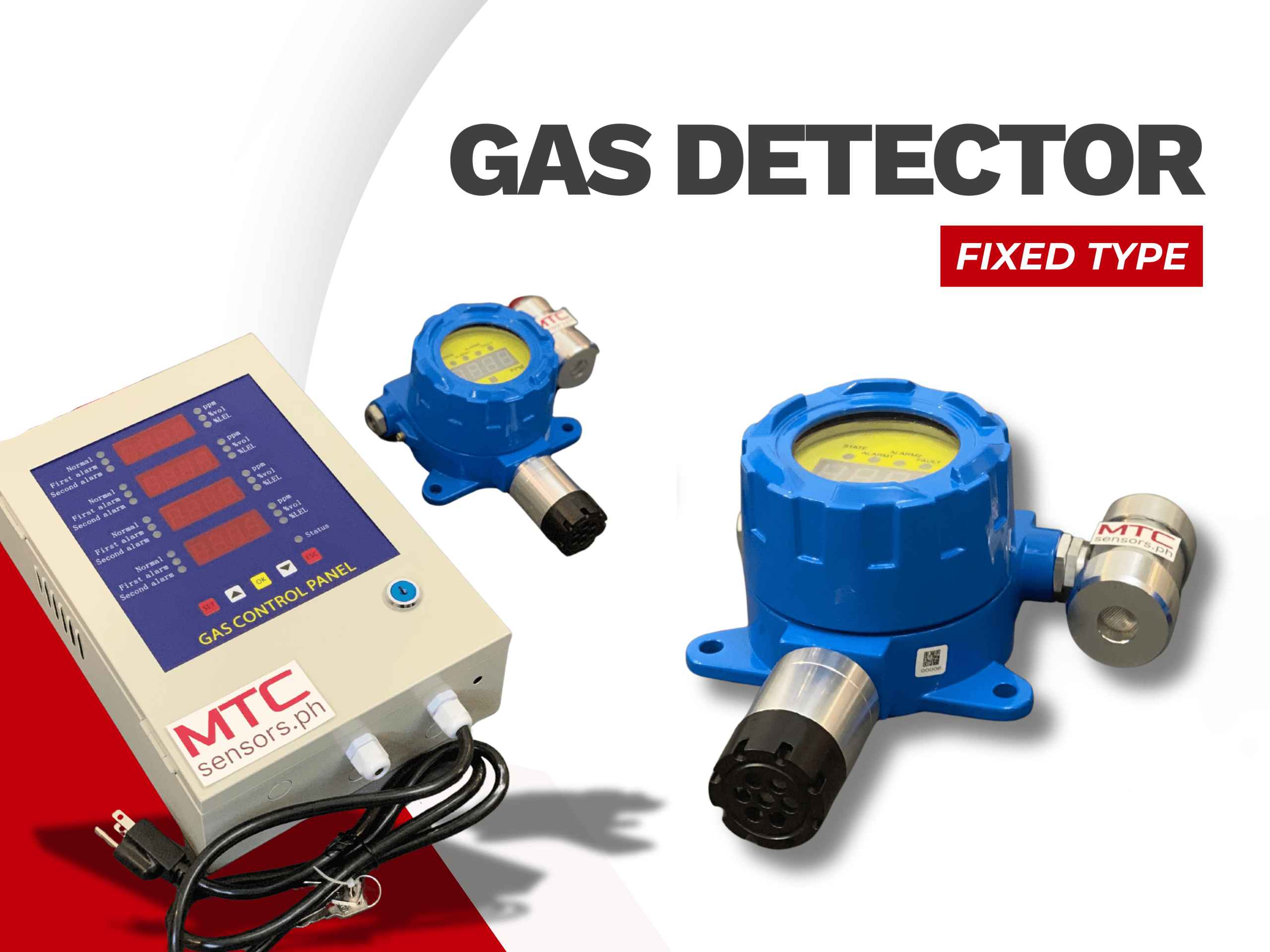
Unlike a fixed gas detection system, which is permanently installed in a particular location, a handheld gas detector can be carried by a worker or safety personnel and used at different areas of a facility.
Depending on its configuration, a handheld detector may monitor:
- One specific gas
- Oxygen
- Combustible gases
- Multiple toxic gases
- A combination of oxygen, combustible, and toxic gases
- Up to six gases in selected multi-gas configurations
The appropriate detector depends on the gases that may be present and the requirements of the application.
Single-Gas vs. Multi-Gas Detectors
One of the first considerations when selecting a handheld gas detector is the number of gases that need to be monitored.
Single-Gas Detectors
A single-gas detector is designed to monitor one specific gas.
This type can be suitable when the primary hazard in a workplace is known. For example, a facility may need to monitor carbon monoxide, hydrogen sulfide, oxygen, or another specific gas.
Single-gas detectors can also be useful when workers routinely perform tasks in an environment where one particular gas presents the primary monitoring concern.

Multi-Gas Detectors
A multi-gas detector can monitor several gases using multiple sensors in one portable instrument.
Depending on the model and sensor configuration, multi-gas detectors can monitor combinations of combustible gases, oxygen, and toxic gases. Some instruments can be configured to monitor up to six gases.
Multi-gas detection can be useful in industrial environments where more than one atmospheric hazard needs to be considered.
For example, a confined-space assessment may require monitoring for oxygen concentration, combustible gases, and specific toxic gases depending on the work environment and process.

Why Choose the Correct Gas Sensor?
Choosing a gas detector is not simply a matter of selecting the number of sensors.
The detector must be suitable for the gases that may actually be present.
For example, a detector intended for oxygen monitoring is different from one configured for hydrogen sulfide or combustible gas detection.
Before requesting a quotation, customers should identify:
- Gas or gases to be monitored
- Expected concentration or measuring range
- Single-gas or multi-gas requirement
- Indoor or outdoor application
- Normal operating environment
- Potentially hazardous area classification, if applicable
- Required alarms
- Required operating time
- Sampling requirements
- Required certifications or approvals
- Number of units required
Providing this information allows the supplier to determine which detector configuration is appropriate for the application.
Handheld Gas Detectors for Philippine Industrial Applications
For Philippine companies, selecting gas detection equipment should also consider the actual operating environment.
Many workplaces in the Philippines operate in warm and humid conditions, while industrial facilities may also expose equipment to dust, water, chemicals, or mechanical impact.
However, environmental suitability should always be confirmed against the actual specifications of the selected model.

Other practical considerations include battery operation, detector size, display visibility, alarm type, sensor availability, maintenance requirements, and calibration or bump-test procedures where applicable.
The correct requirements will depend on the detector model and the application.
How Many Gases Should a Detector Monitor?
There is no single configuration that is suitable for every workplace.
A single-gas detector may be appropriate when one specific gas is the primary monitoring concern.
A multi-gas detector may be more appropriate when several atmospheric hazards need to be monitored simultaneously.
For example, a customer may require a detector for:
- O₂ + combustible gas
- O₂ + H₂S
- O₂ + CO + H₂S + combustible gas
- Multiple toxic gases
- Other combinations depending on the application
Some multi-gas instruments can support configurations of up to six gases.
The exact combination should be selected based on the gases identified in the workplace risk assessment and the available sensor configurations of the detector.
Choosing a Handheld Gas Detector in the Philippines
Before purchasing a gas detector, it is useful to provide the supplier with as much application information as possible.
Consider the following:
Requirement:
- Gas
- Detection type
- Quantity
- Application
- Environment
- Range
- Alarm
- Area
- Certification
- Operation
Information to Provide:
- Name of gas or gases
- Single-gas or multi-gas
- Number of detectors required
- Maintenance, confined space, plant inspection, etc.
- Indoor/outdoor and operating conditions
Required measuring range, if known - Required alarm or warning levels
- Ordinary or potentially hazardous area
- Required approvals, if applicable
- Continuous or intermittent monitoring
This information can help avoid selecting a detector with the wrong sensor, range, or configuration.
Handheld Gas Detectors from MTC Philippines

Measurement Technologies Corporation (MTC) supplies industrial instrumentation and gas detection equipment for Philippine customers.
Our handheld gas detector options include single-gas and multi-gas configurations, depending on the required application and available model.
For customers who are unsure which detector configuration they need, providing the gas name, application, number of gases, and working environment can help MTC determine the appropriate product options for quotation and technical evaluation.
Gas detection should always be treated as part of a broader workplace safety program. A detector does not replace appropriate risk assessment, ventilation, work procedures, personal protective equipment, or other required safety controls.
Frequently Asked Questions
- What is a handheld gas detector? A handheld gas detector is a portable instrument used to detect and monitor specific gases in the atmosphere. It can be carried between different work areas.
- What is the difference between a single-gas and multi-gas detector? A single-gas detector monitors one gas, while a multi-gas detector can monitor several gases using multiple sensors in one instrument.
- How many gases can a multi-gas detector detect? The number depends on the model and sensor configuration. Some available multi-gas detectors can monitor up to six gases.
- What gases can handheld gas detectors monitor? Depending on the model, handheld detectors may be configured for gases such as oxygen, combustible gases, carbon monoxide, hydrogen sulfide, ammonia, and other toxic or hazardous gases.
- What information should I provide when requesting a gas detector quotation? Provide the gas or gases to be detected, application, required quantity, indoor/outdoor environment, measuring range if known, and any required certifications or hazardous-area approvals.
- Can I use one gas detector for different applications? This depends on the detector’s sensor configuration, specifications, and the gases present in each application. The detector should be suitable for the specific hazards being monitored.